


Microscope cameras and phone adapters
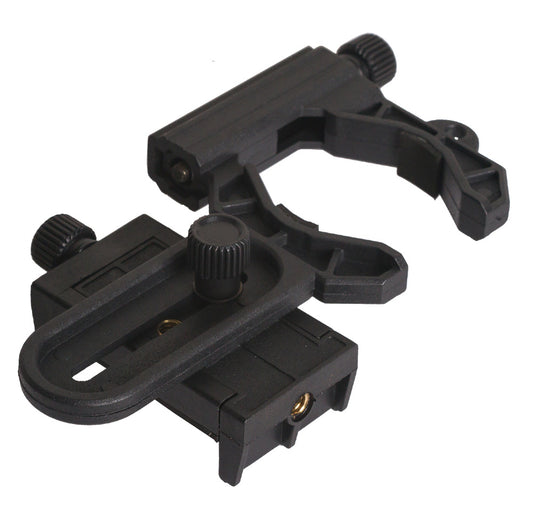
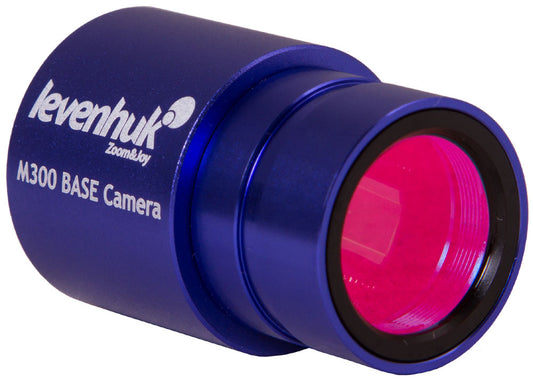
Cameras and phone adapters for photographing and filming what you see through a microscope. The simplest route is a phone adapter, which clamps your phone's camera over the eyepiece and works with any microscope, telescope or binoculars you already own. Our adapter is the Levenhuk A10, which fits phones from 53 to 102 mm wide and eyepieces up to about 60 mm across, for under £40. For a camera that stays fitted, the Levenhuk M300 BASE replaces the eyepiece in a 23.2 mm tube and sends a 3 MP image to a computer by USB.
Free UK delivery on orders over £100, delivery charge shown at checkout
-
Levenhuk A10 Smartphone Adapter
Regular price £37.95Regular priceFits phones 53 to 102 mm wide
-
Levenhuk M300 BASE Microscope Camera
Regular price £135.95Regular price3 MP eyepiece camera, USB to a computer
-
Bresser MikrOkular Full HD Microscope Camera
Regular price £59.95Regular priceFull HD eyepiece camera, fits 23.2 mm tubes




Phone adapter or dedicated camera
A phone adapter costs a fraction of a camera and uses the excellent sensor already in your pocket. It takes a minute to line up each time and you hold focus by eye on the phone screen, which is fine for occasional photos and for children sharing what they've found. A dedicated eyepiece camera stays fitted, gives a live feed to a laptop, and comes with its own software, which suits anyone recording regularly or teaching a group. If you expect to photograph most sessions, a digital microscope with a built-in screen may be the simpler buy than adding a camera to an optical one.
What fits what
Phone adapters clamp onto the outside of the eyepiece, so the measurement that matters is the eyepiece's outer diameter, which we list on each product page. Eyepiece cameras slot into the tube in place of the eyepiece, where the standard sizes are 23.2 mm for compound microscopes and 30.5 mm for stereo models. Our Rainbow compound microscopes use the 23.2 mm tube; the LabZZ M101's is 29 mm.
Microscope camera FAQs
Will a phone adapter work with my iPhone or Android phone?
Any phone between 53 and 102 mm wide fits the A10, which covers every current iPhone and Samsung Galaxy. Phones with several rear cameras work, but only one lens can see down the eyepiece at a time, so pick the main camera in your camera app.
Does a camera add magnification?
No. A camera records what the microscope's lenses produce. Digital zoom on the phone enlarges the picture without adding detail.
Can I film video?
Yes, with either route, though the M300 BASE records 3 frames a second at full resolution, so a phone gives smoother video. Pond life in particular is far better on video than in a still.