


Microscopes
Every microscope we sell, in one place. The range covers the four types a hobbyist, a home educator or a school is likely to want, with Levenhuk models first and Bresser to follow. Each one is dispatched from our warehouse in Northern Ireland, comes with a 14-day return period, and is backed by the manufacturer's warranty. If you already know which type you want, pick it from the type links just below. If you don't, our which microscope do I need guide settles it in about five minutes.
Free UK delivery on orders over £100, delivery charge shown at checkout
-
Levenhuk Rainbow 2L Microscope
Regular price £75.95Regular price -
Levenhuk Rainbow 50L PLUS Microscope
Regular price £168.95Regular price -
Levenhuk LabZZ M101 Microscope
Regular price £42.95Regular price -
Levenhuk DTX 350 LCD Digital Microscope
Regular price £151.95Regular price -
Levenhuk DTX 500 LCD Digital Microscope
Regular price £227.95Regular price -
Levenhuk 2ST Stereo Microscope
Regular price £122.95Regular price -
Levenhuk Rainbow 2L PLUS Microscope
Regular price £101.95Regular price -
Levenhuk Rainbow 50L Microscope
Regular price £143.95Regular price -
Levenhuk 5ST Stereo Microscope
Regular price £227.95Regular price -
Levenhuk DTX 30 USB Microscope
Regular price £84.95Regular price -
Bresser Junior 40-640x Microscope
Regular price £37.95Regular price -
Bresser Junior Biolux SEL 40-1600x Microscope
Regular price £84.95Regular price -
Bresser Biolux NV 20-1280x Microscope with HD Camera
Regular price £147.95Regular price -
Bresser Erudit Basic 40-400x Binocular Microscope
Regular price £227.95Regular price -
Bresser Erudit DLX 40-1000x Microscope
Regular price £236.95Regular price -
Bresser Erudit ICD Stereo Microscope
Regular price £172.95Regular price -
Bresser Researcher Bino 40-1000x Microscope
Regular price £337.95Regular price -
Bresser Researcher ICD LED 20-80x Stereo Microscope
Regular price £227.95Regular price -
Bresser LCD 50-2000x Digital Microscope
Regular price £210.95Regular price -
Bresser DST-1028 USB Digital Microscope
Regular price £147.95Regular price -
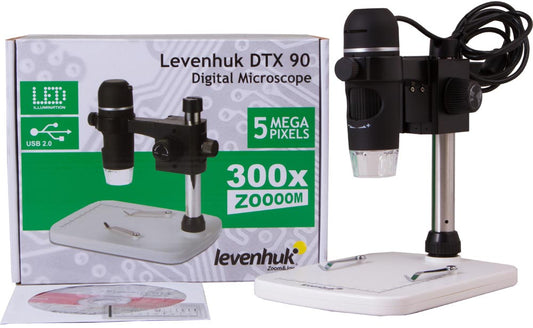
Levenhuk DTX 90 USB Microscope
Regular price £126.95Regular price -
Levenhuk DTX 500 Mobi Handheld Digital Microscope
Regular price £202.95Regular price -
Levenhuk DTX 700 LCD Digital Microscope
Regular price £278.95Regular price -
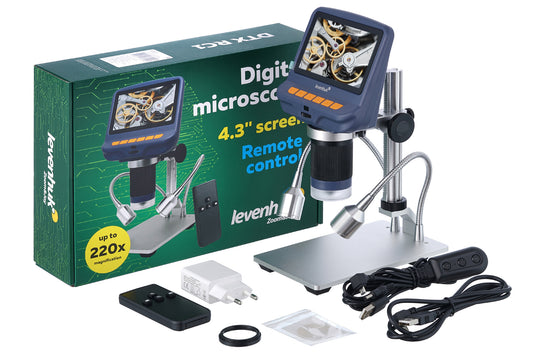
Levenhuk DTX RC1 Remote Controlled Digital Microscope
Regular price £151.95Regular price -
Levenhuk Rainbow D2L Digital Microscope
Regular price £151.95Regular price -
Levenhuk Rainbow DM500 LCD Digital Microscope
Regular price £151.95Regular price -
Levenhuk LabZZ M4 Stereo Microscope
Regular price £59.95Regular price -
Levenhuk 1ST Stereo Microscope
Regular price £54.95Regular price


















The four types of microscope, in plain terms
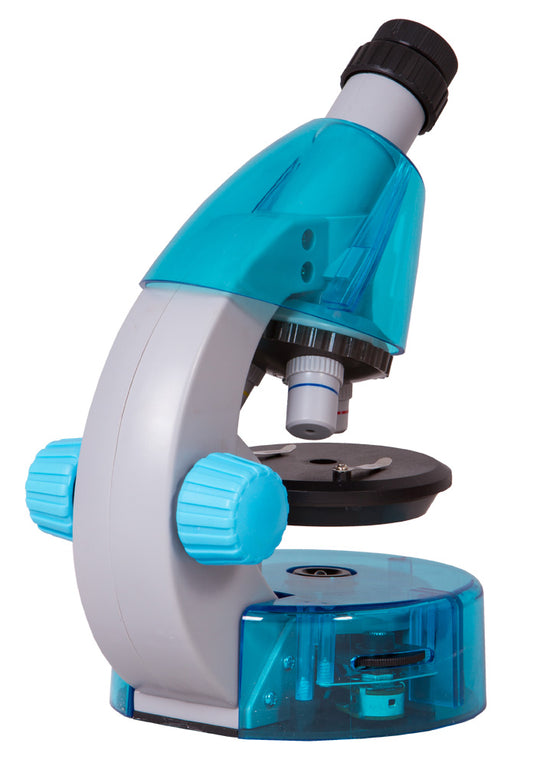
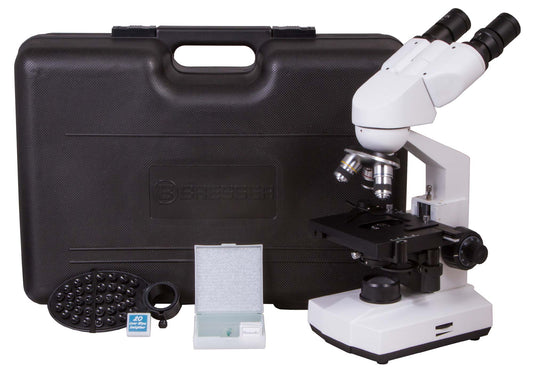
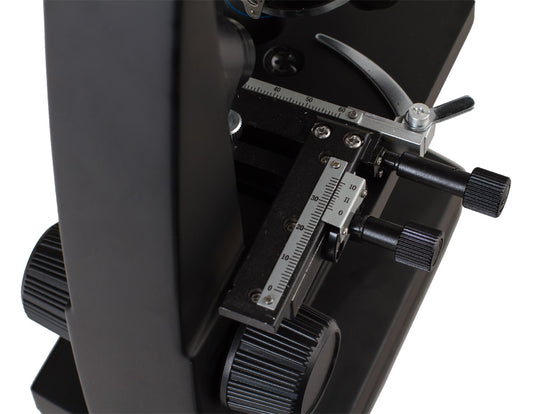
A compound microscope is the classic design with an eyepiece on top and three lenses on a turret underneath. It magnifies from about 40x to 1,000x and is for thin, transparent samples on a glass slide, such as cells, pond water and prepared specimens. It's the right choice for biology at home or school.
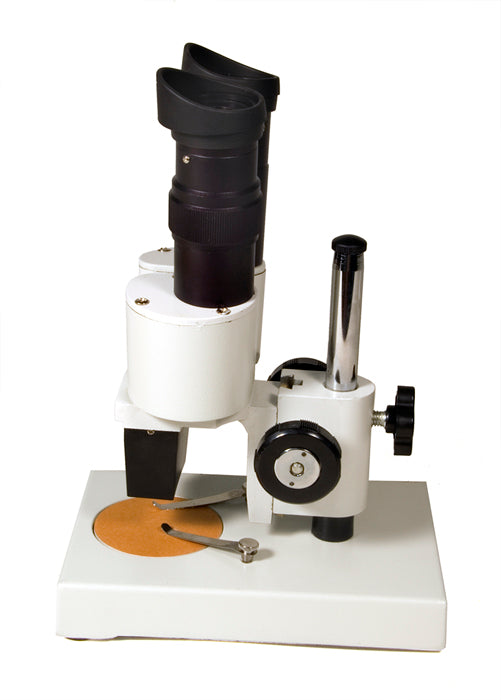
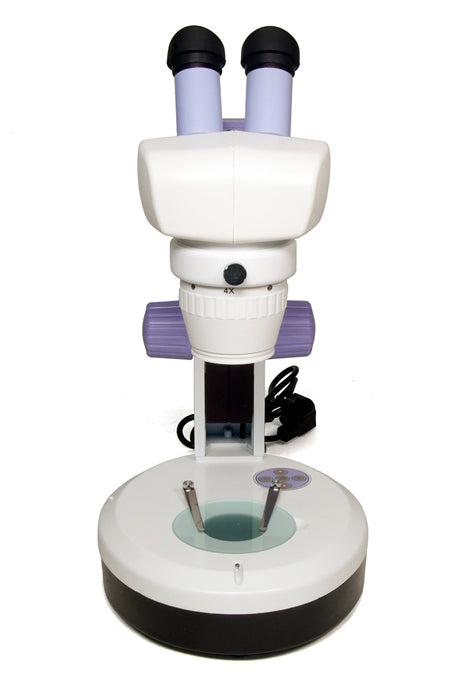
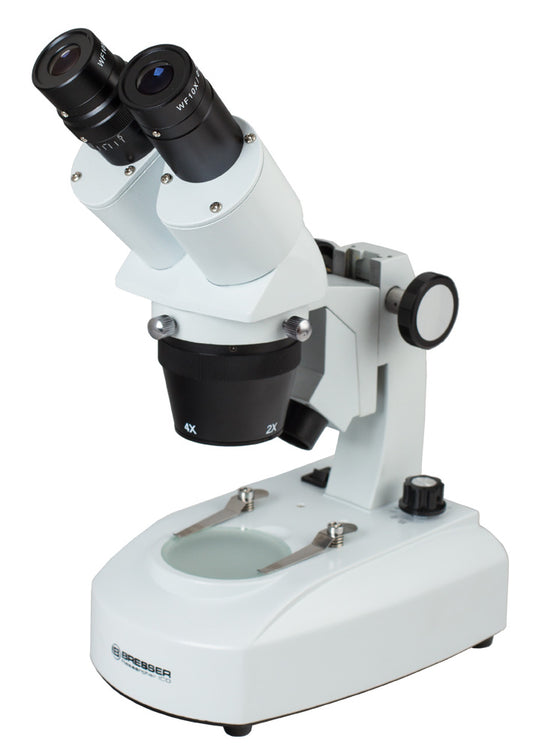
A stereo microscope works at much lower power, usually 10x to 40x, and gives a three-dimensional view of solid objects with light from above. Insects, flowers, coins, rocks and circuit boards all suit it, and it's the one to choose if you don't want to prepare slides.
A digital microscope with a screen puts the image on a built-in display rather than through an eyepiece, saves photos and video to a memory card, and is the easiest of the four to share with a child or a class. The range covers roughly 20x to 500x, which suits coins, stamps, plants, electronics and anything else you'd look at from above.
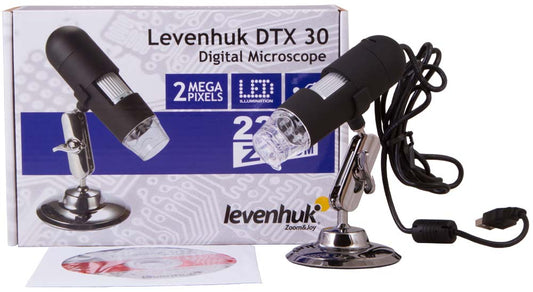
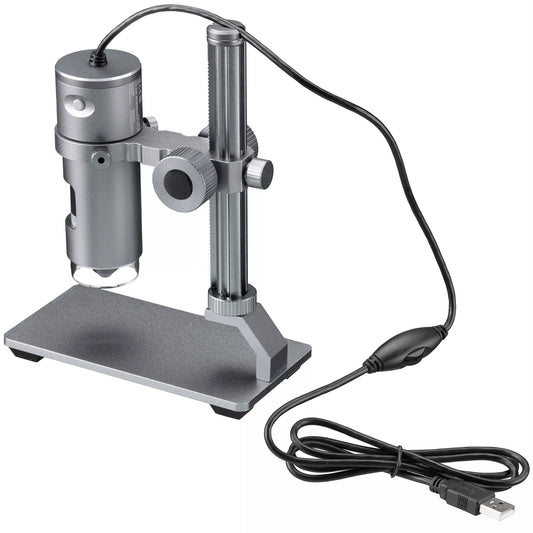
Handheld and USB microscopes are the pocket-sized end of the market. They're useful for a quick look at a stamp or a leaf, and they're cheap, but a bench microscope will show you far more.
What to look for before you buy
Realistic magnification matters more than the biggest number on the box. A good 400x image through glass lenses beats a blurry 2,000x, and our magnification guide explains why. After that, check the lighting (light from above and below gives you the most options), whether the body is metal or plastic, what's in the box, and whether it runs from the mains as well as batteries.
Who we are
Scope & Field is a UK specialist in microscopes and science kit for hobbyists, home education and schools. We stock a small range on purpose and write a guide for every type we sell, so you can choose with the same information we'd use ourselves. Orders are packed at our warehouse in Northern Ireland and sent tracked.
Microscope FAQs
How much does a decent microscope cost?
A proper first compound microscope with glass lenses and a mains adapter is under £100. Metal-bodied models with achromatic lenses sit between £100 and £200, and a digital microscope with a built-in screen is £150 to £250. Anything much below £50 is a children's starter model and worth treating as one.
Which microscope is best for a beginner?
For slides and biology, a monocular compound microscope with upper and lower LED lighting. For insects, coins and anything solid, a 20x to 40x stereo microscope. If you'd rather look at a screen than through an eyepiece, a digital model with an LCD. The types guide covers each case.
Do you ship to the whole of the UK?
Yes. Orders go out from Northern Ireland to every UK address, and delivery details are on our delivery page.
Not quite right?
Other types of microscope
-
 Digital microscopesA built-in screen instead of an eyepiece. Easy to share and photograph.Shop the range
-
 Stereo microscopesLow power in 3D, for insects, plants, coins and soldering.Shop the range
-
 Compound microscopesHigh power for prepared slides, cells and pond life.Shop the range
-
 Handheld and USB microscopesSmall, cheap and portable, for a quick close look.Shop the range


