


Microscopes for coins, stamps and collectables
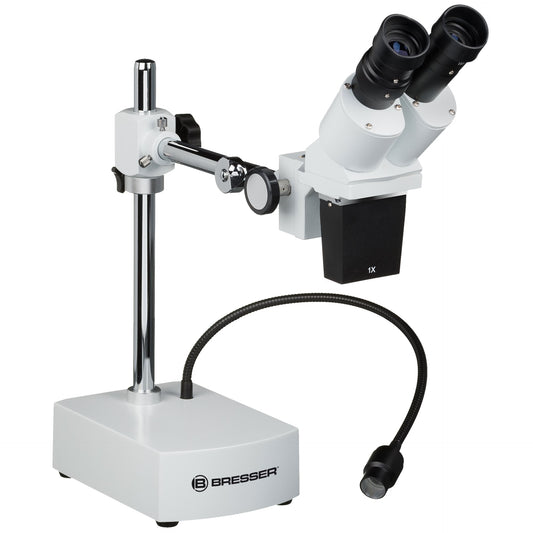
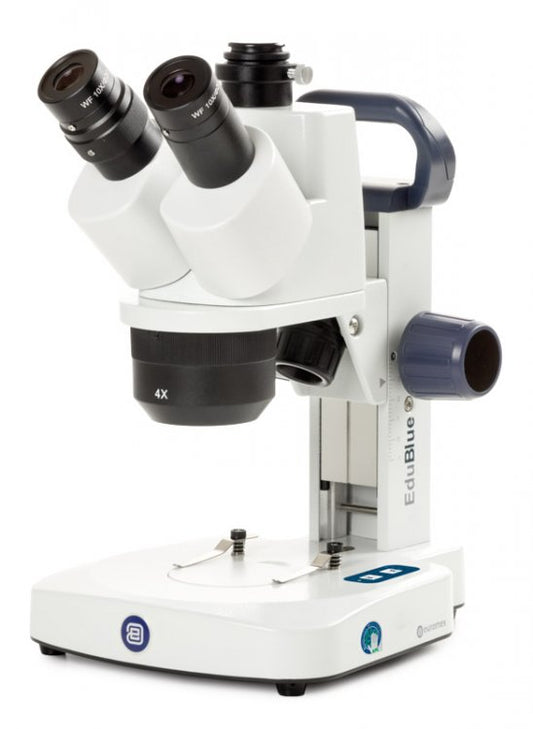
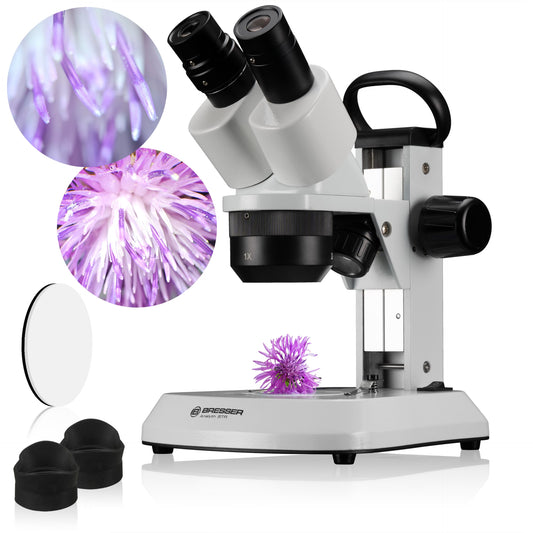
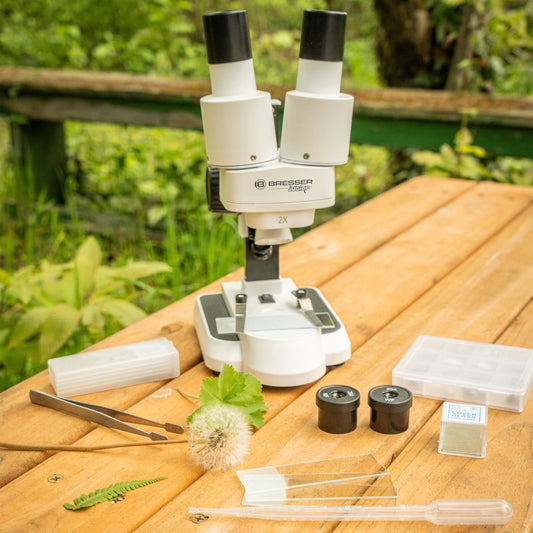
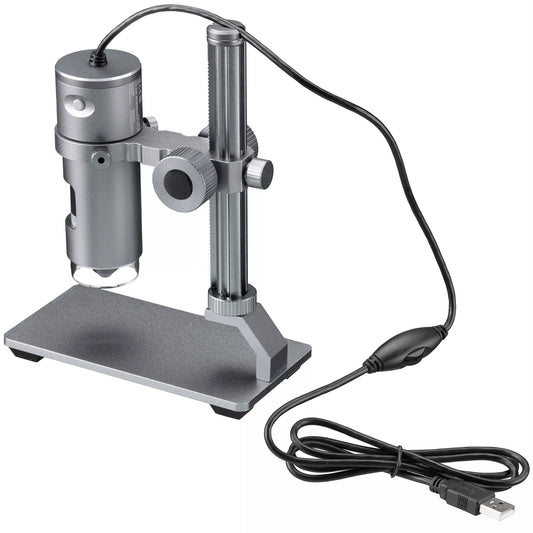
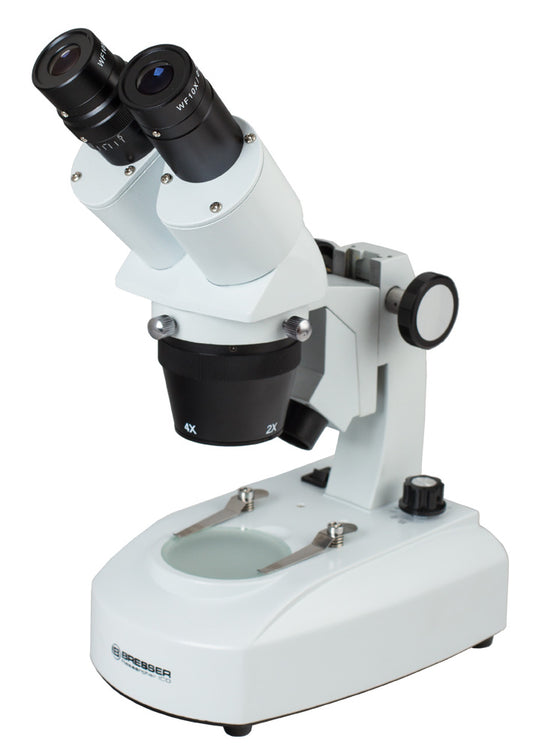
Coins, stamps, banknotes, fossils, minerals and watch movements all want one of two types. A stereo microscope shows the object in three dimensions with room underneath for your fingers, so you can tilt a coin until a die crack catches the light. A digital microscope puts the image on a screen, which is easier on the neck and keeps a photo of each piece. On the stereo side there's the Bresser Erudit ICD at 20x and 40x, the Researcher ICD LED up to 80x, the Bresser Analyth STR with 10x, 20x and 40x on a turret and the Levenhuk 3ST, a 20x to 40x zoom lit by halogen from above and below. On the digital side there's the Levenhuk DTX 800 LCD, the Bresser WiFi 2L, which sends the picture to a TV over HDMI, and the Bresser DST-1028 for a computer monitor.
Free UK delivery on orders over £100, otherwise £6.90
-
Levenhuk DTX RC2 3-200x Remote Controlled Digital Microscope
Regular price £194.95Regular priceOut of stock
Sold out -
Levenhuk DTX 800 LCD 20-300x Digital Microscope
Regular price £303.95Regular priceOut of stock
Sold out -
Euromex StereoBlue 10-40x Dual Magnification Stereo Microscope
Regular price £289.96 ex VAT £347.95 inc VATRegular priceOut of stock
Sold out -
Euromex StereoBlue 7-45x Zoom Stereo Microscope
Regular price From £415.79 ex VAT From £498.95 inc VATRegular priceOut of stock
Sold out -
Levenhuk 3ST 20-40x Stereo Microscope
Regular price £194.95Regular priceOut of stock
Sold out -
Bresser Youngster 100-500x Handheld Digital Microscope
Regular price £39.99Regular priceOut of stock
Sold out -
Bresser Analyth LCD 0.7-4.5x Digital Microscope
Regular price £434.16 ex VAT £520.99 inc VATRegular priceOut of stock
Sold out -
Bresser WiFi 2L 2-44x Digital Microscope with LCD Screen
Regular price £259.99Regular priceOut of stock
Sold out -
Bresser Biorit ICD CS 5-20x Stereo Microscope
Regular price £354.99 ex VAT £425.99 inc VATRegular priceOut of stock
Sold out -
Bresser Biorit ICD CS 10-20x Stereo Microscope
Regular price £349.99Regular priceOut of stock
Sold out -
Euromex EduBlue 20-40x Stereo Microscope
Regular price £250.95Regular priceOut of stock
Sold out -
Bresser Analyth STR 10-60x Stereo Microscope
Regular price £203.99Regular priceOut of stock
Sold out -
Bresser Advance ICD 10-160x Zoom Stereo Microscope
Regular price £516.66 ex VAT £619.99 inc VATRegular priceOut of stock
Sold out -
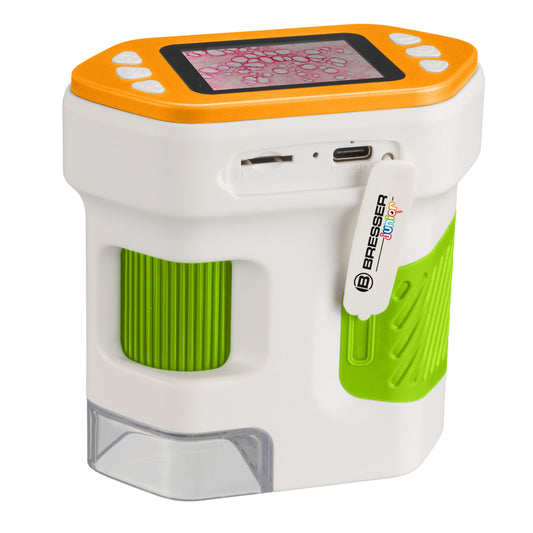
Bresser Junior 7-97x Digital Handheld Microscope
Regular price £39.99Regular priceOut of stock
Sold out -
Bresser Junior 20-50x Stereo Microscope
Regular price £87.99Regular priceOut of stock
Sold out -
Bresser Analyth STR 10-40x Stereo Microscope
Regular price From £241.99Regular priceOut of stock
Sold out -

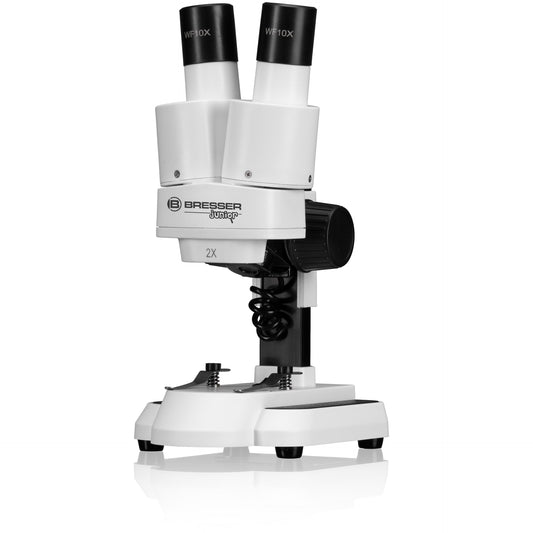 Sold out
Bresser Junior 20x Stereo Microscope
Regular price £77.99Regular priceOut of stock
Sold out -
Bresser DST-1028 10-280x USB Digital Microscope
Regular price £160.99Regular priceOut of stock
Sold out -
Bresser Researcher ICD LED 20-80x Stereo Microscope
Regular price £250.99Regular priceOut of stock
Sold out -
Bresser Erudit ICD 20-40x Stereo Microscope
Regular price £189.99Regular priceOut of stock
Sold out

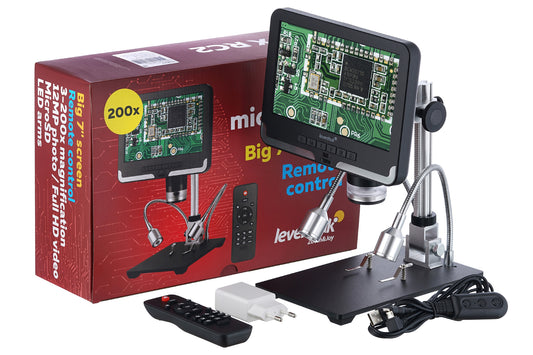


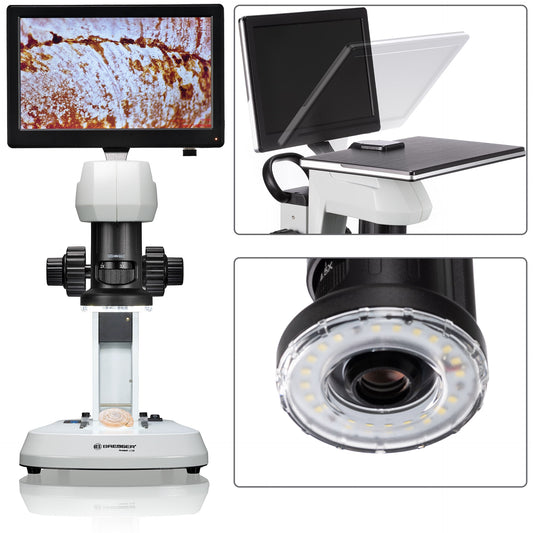

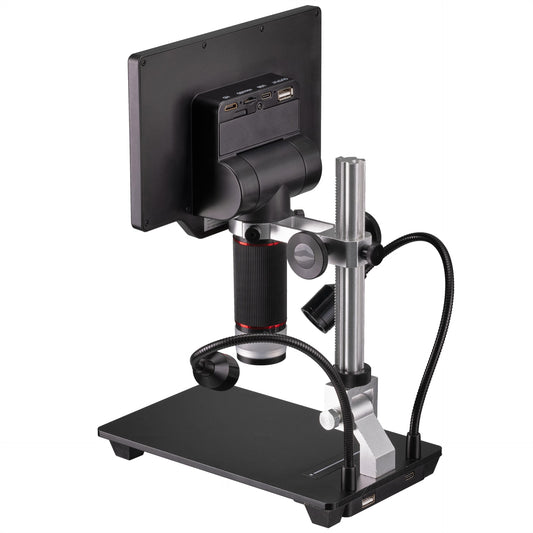












How much magnification a coin needs
Less than the box suggests. At 10x a 20 mm coin fills the view whole, which is the setting for judging wear and reading a date. From 20x to 40x you're into mint marks, die varieties and the perforations on a stamp. Above 60x you see one letter of the legend and nothing around it. Our magnification guide explains why working distance matters more than the top figure.
Light from a low angle
Hairlines, cleaning marks and lustre only show when light rakes across the surface, so a dimmable top light you can angle beats a bright fixed one. The lower light on the 3ST and the Erudit ICD is the one for a watermark held against the glass plate.
Collectables FAQs
Will a slabbed coin fit?
Under the WiFi 2L, yes; its 22 to 195 mm of working distance takes a slab or an album page. The 3ST's stage plate is a 90 mm disc, so a slab overhangs it.