


Trinocular microscopes for cameras
A trinocular microscope has the usual two eyepieces plus a third, vertical tube on top of the head that takes a camera, so you can look and record at the same time. Compound models with the tube are the Bresser Researcher in trinocular form, the Bresser Bioscience, the Bresser Science TFM-301 and TRM-301, the Levenhuk 500T and 740T, the Levenhuk MED 10T and the Euromex EcoBlue EC.1153. For solid objects there's the Euromex StereoBlue SB.1903, a 7x to 45x zoom, and the Bresser Science ETD-201. The cameras that fit them are the Bresser MikroCam SF, SP, PRO and II.
Free UK delivery on orders over £100, otherwise £6.90
-
Levenhuk MED D10T 40-1000x Digital Trinocular Microscope
Regular price £810.95Regular priceOut of stock
Sold out -

 Sold out
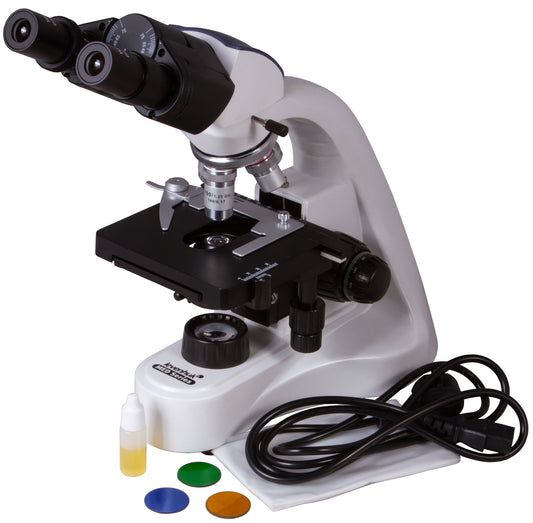
Levenhuk MED 10 40-1000x Microscope
Regular price From £489.95Regular priceOut of stock
Sold out -
Bresser Science ETD-301 7-63x Trinocular Zoom Stereo Microscope
Regular price £1,097.99Regular priceOut of stock
Sold out -
Bresser Science ETD-201 8-50x Trinocular Zoom Stereo Microscope
Regular price £756.99Regular priceOut of stock
Sold out -
Bresser Science MTL 201 50-800x Metallurgical Microscope
Regular price £2,648.99Regular priceOut of stock
Sold out -
Bresser Science ADL 601 F 40-1000x Fluorescence Microscope
Regular price £3,973.99Regular priceOut of stock
Sold out -
Bresser Science ADL 601 P 50-600x Polarising Microscope
Regular price £2,459.99Regular priceOut of stock
Sold out -
Bresser Science Infinity 40-1000x Trinocular Microscope
Regular price £1,049.99Regular priceOut of stock
Sold out -
Euromex StereoBlue 7-45x Zoom Stereo Microscope
Regular price From £498.95Regular priceOut of stock
Sold out -

 Sold out
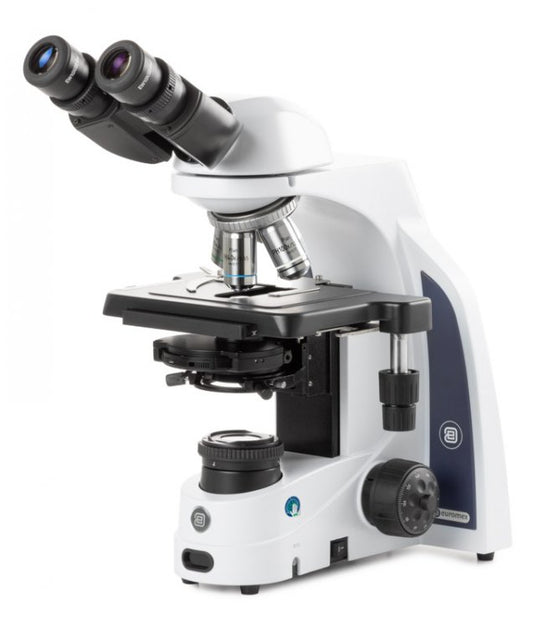
Euromex iScope 40-1000x Microscope
Regular price From £1,143.95Regular priceOut of stock
Sold out -
Bresser Science TRM-301 40-1000x Trinocular Microscope
Regular price £945.99Regular priceOut of stock
Sold out -
Bresser Science TFM-301 40-1000x Trinocular Microscope
Regular price £799.99Regular priceOut of stock
Sold out -
Levenhuk 700 Series 40-2000x Microscope
Regular price From £396.95Regular priceOut of stock
Sold out -
Levenhuk 500 Series 40-1000x Microscope
Regular price From £236.95Regular priceOut of stock
Sold out -

 Sold out
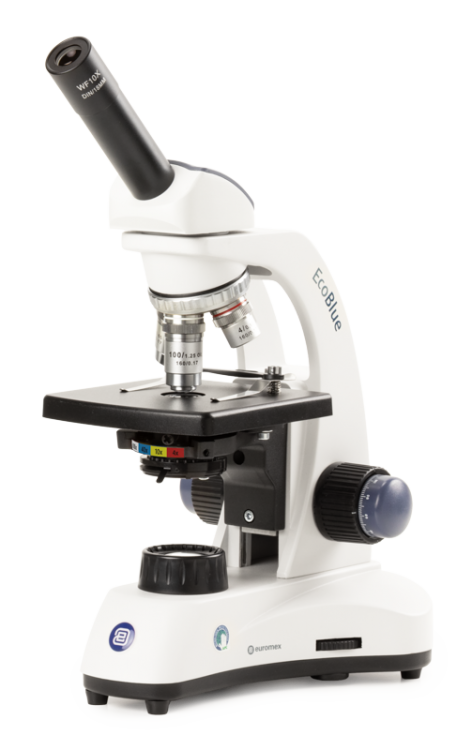
Euromex EcoBlue 40-1000x Microscope
Regular price From £357.95Regular priceOut of stock
Sold out -

 Sold out
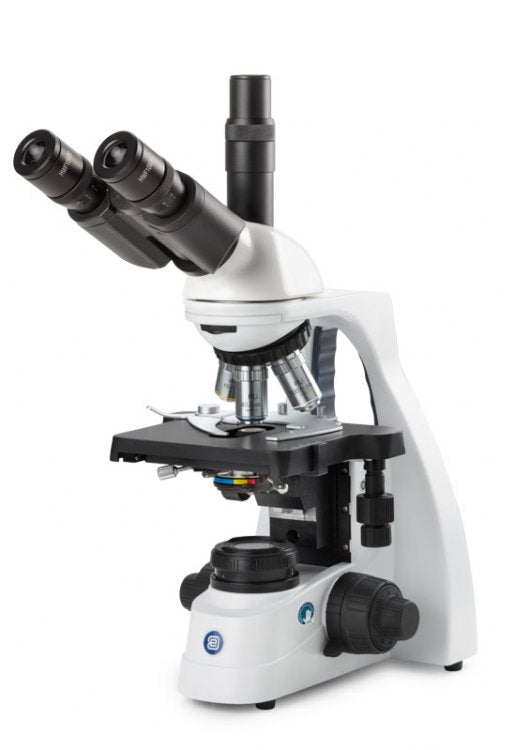
Euromex bScope 40-1000x Microscope
Regular price From £1,008.95Regular priceOut of stock
Sold out -
Bresser Advance ICD 10-160x Zoom Stereo Microscope
Regular price £619.99Regular priceOut of stock
Sold out -
Bresser Bioscience 40-1000x Trinocular Microscope
Regular price £723.99Regular priceOut of stock
Sold out -
Bresser Analyth STR 10-40x Stereo Microscope
Regular price From £241.99Regular priceOut of stock
Sold out -
Bresser Researcher 40-1000x Microscope
Regular price From £368.99Regular priceOut of stock
Sold out


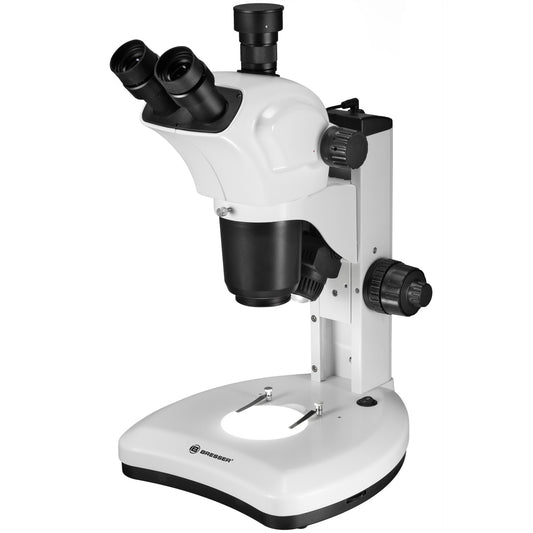


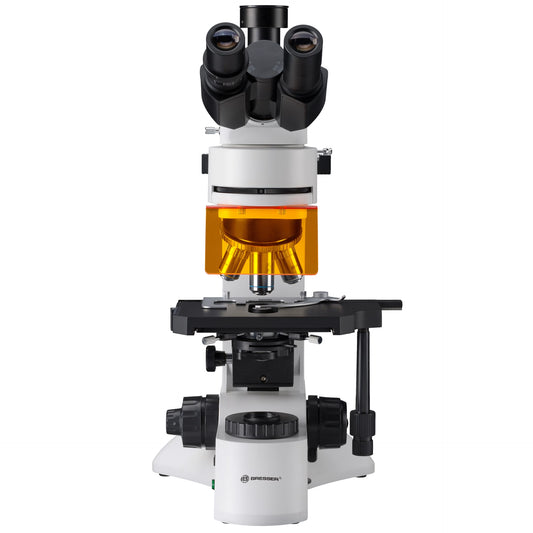

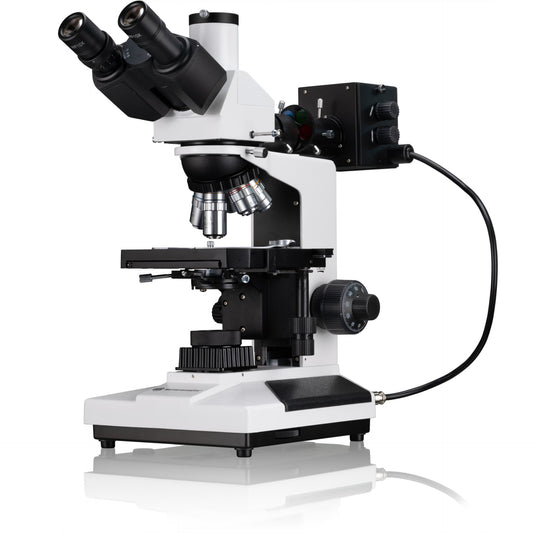

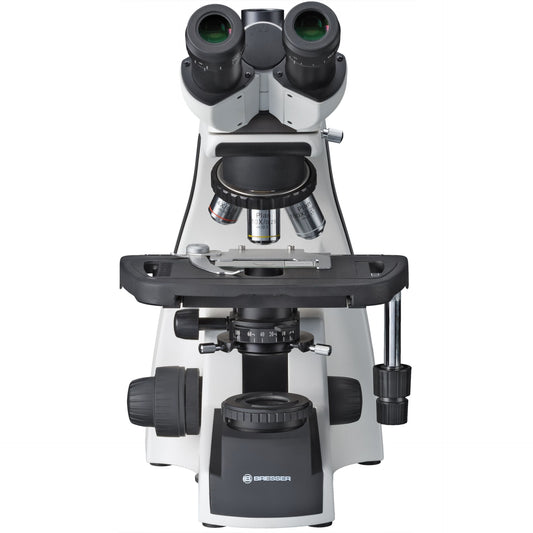


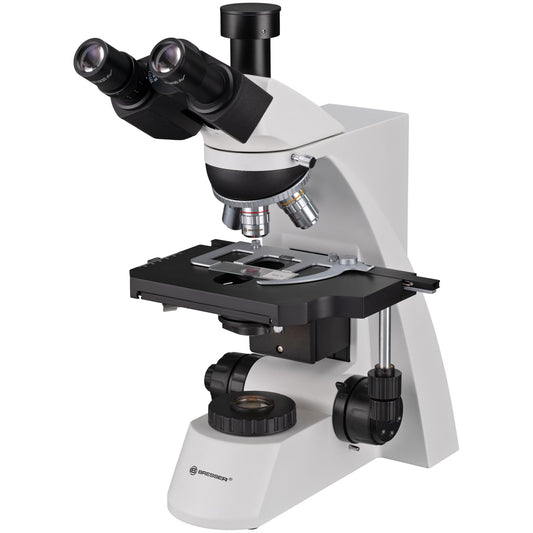


How the third tube works
A prism inside the head divides the light between the eyepieces and the camera port. On some heads the split is fixed (the StereoBlue sends half each way) and on others a lever diverts all of it to the camera for the brightest photo. The camera screws into a C-mount, a standard 1 inch thread, through a short adapter matched to the tube, so check whether yours is 23.2 mm or 30.5 mm.
Choosing the camera
The MikroCam SF plugs into a Windows computer over USB and comes in Full HD, 5 MP and UHD versions. The MikroCam PRO feeds a monitor or smartboard over HDMI with no computer involved. The MikroCam II's 20 MP version has a 1 inch sensor that records roughly the field you see through the eyepiece, where smaller sensors capture half or less. Our camera guide covers sensor size.
Trinocular FAQs
Do I need a trinocular head to photograph slides?
No. A phone adapter or an eyepiece camera such as the MikrOkular fits a binocular model. The third tube matters when you want to view and record at once, or the camera is too heavy for an eyepiece tube.