


Microscopes from £100 to £250
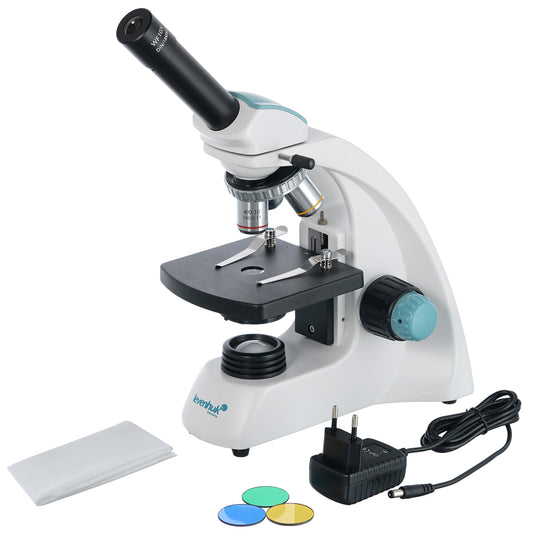
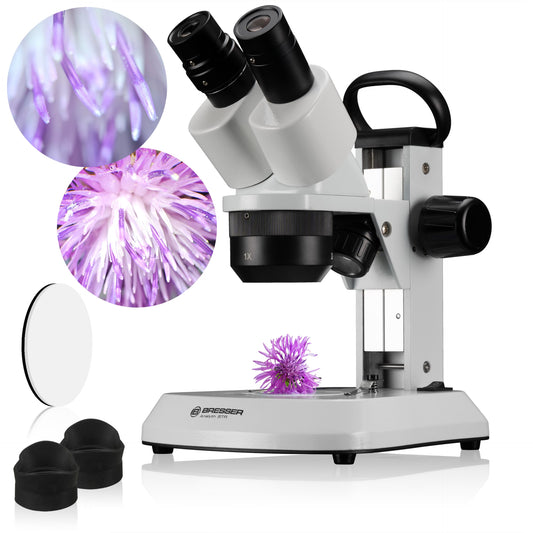
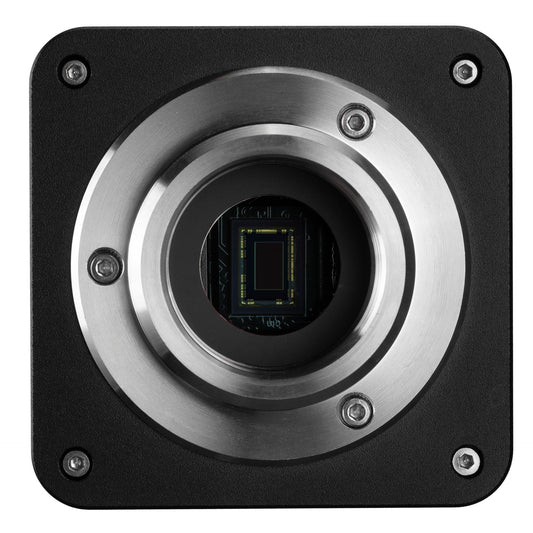
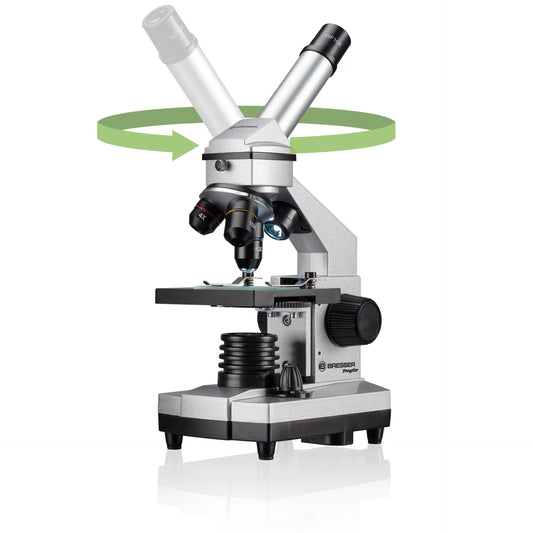
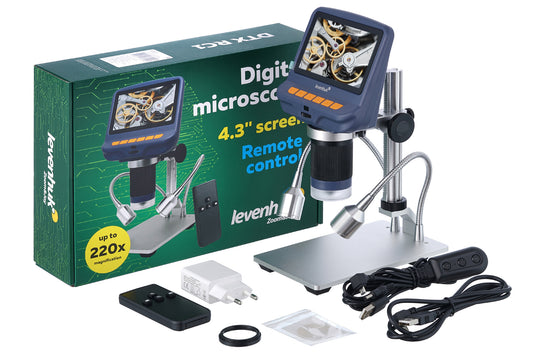
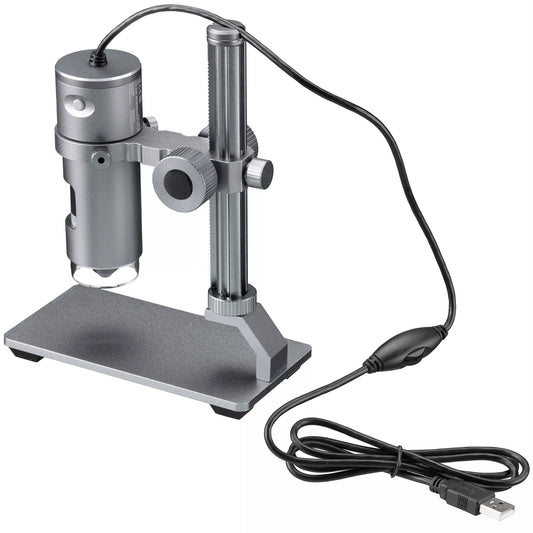
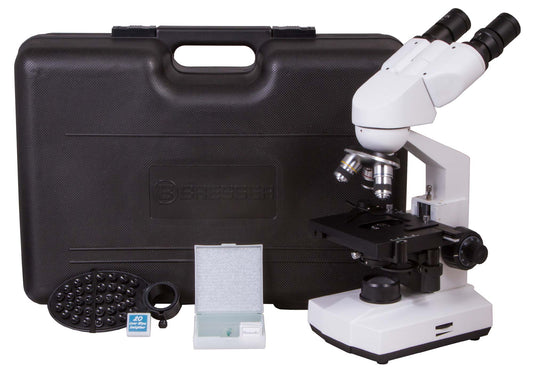
Families, GCSE and A-level students and adult hobbyists tend to land in this band, because it's where metal bodies, mains power and achromatic glass become standard. Compound models include the Levenhuk Rainbow 2L PLUS, the Rainbow 50L PLUS, the Levenhuk 400M, the Bresser Biorit SE, the Bresser Erudit Basic with two eyepieces and the Bresser Erudit DLX, which reaches 1000x with oil immersion. Stereo models for insects, coins and circuit boards are the Levenhuk 2ST, 3ST and 5ST, the Bresser Erudit ICD and Researcher ICD and the Analyth STR. With a screen there's the Levenhuk DTX 350, the DTX 500, the DTX RC1 and RC2 and the Bresser LCD 50-2000x, while the DTX 90 and DST-1028 plug into a computer.
Free UK delivery on orders over £100, otherwise £6.90
-
Levenhuk LabZZ DM200 LCD 17-55x Digital Microscope
Regular price £101.95Regular priceOut of stock
Sold out -
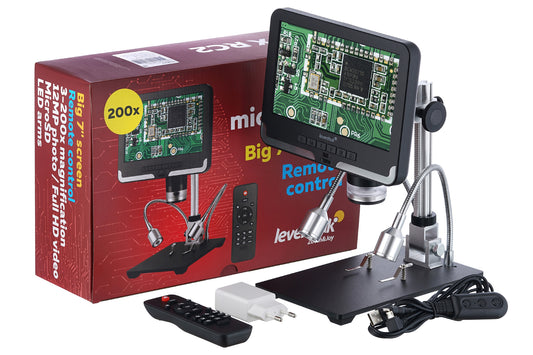
Levenhuk DTX RC2 3-200x Remote Controlled Digital Microscope
Regular price £194.95Regular priceOut of stock
Sold out -
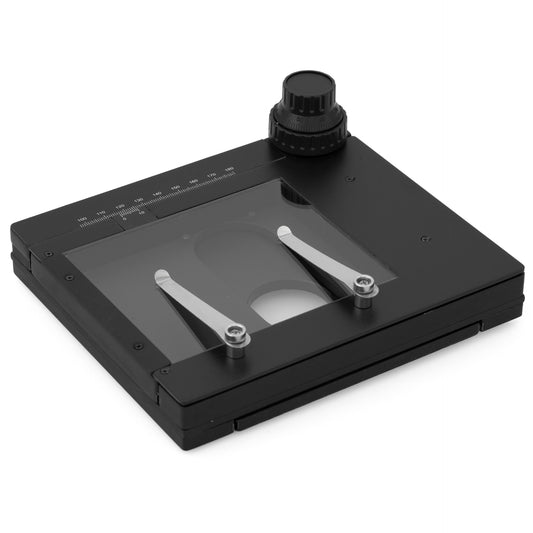
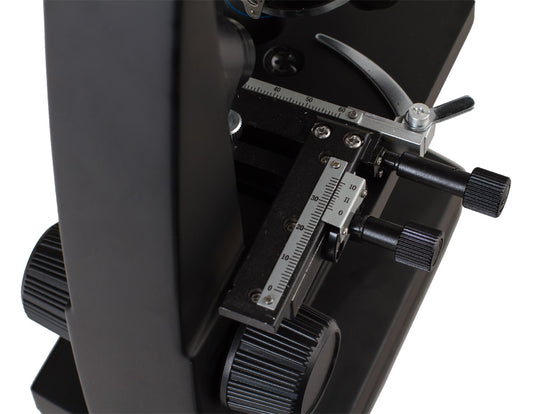
Bresser Mechanical Stage for Stereo Microscopes, 95 mm
Regular price £107.49 ex VAT £128.99 inc VATRegular priceOut of stock
X-Y stage, 165 x 65 mm travel, 95 mm plate
Sold out -

 Sold out
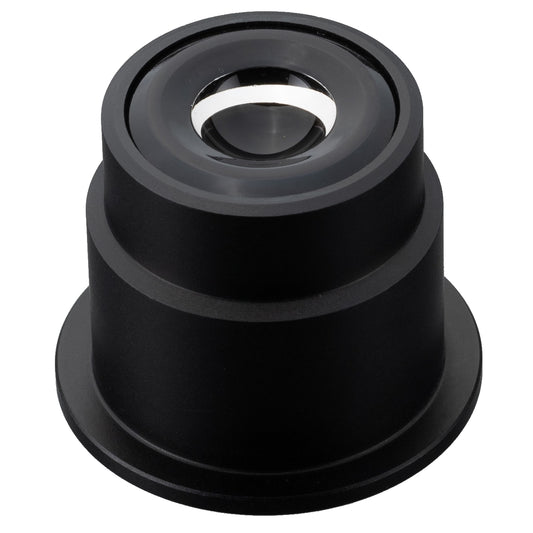
Bresser Dry Darkfield Condenser
Regular price From £154.16 ex VAT From £184.99 inc VATRegular priceOut of stock
Dry darkfield condenser, two fittings
Sold out -
Bresser SLR Camera Adapter 2x T2, 23.2 mm
Regular price £198.99Regular priceOut of stock
2x lens, 23.2 mm tube to T2 thread
Sold out -

 Sold out
Euromex MicroBlue 40-400x Microscope
Regular price From £200.95Regular priceOut of stock
Sold out -
Bresser WiFi Eyepiece Camera with Display
Regular price £109.99Regular priceOut of stock
Full HD, clamps on 30 to 65 mm eyepieces
Sold out -
Levenhuk 500 Series 40-1000x Microscope
Regular price From £236.95Regular priceOut of stock
Sold out -
Levenhuk 400 Series 40-1000x Microscope
Regular price From £151.95Regular priceOut of stock
Sold out -
Levenhuk 3ST 20-40x Stereo Microscope
Regular price £194.95Regular priceOut of stock
Sold out -
Bresser Biorit SE 40-1600x Microscope
Regular price £109.99Regular priceOut of stock
Sold out -
Bresser Analyth STR 10-60x Stereo Microscope
Regular price £203.99Regular priceOut of stock
Sold out -
Bresser MikroCam SF Microscope Camera
Regular price From £137.49 ex VAT From £164.99 inc VATRegular priceOut of stock
Full HD, 5 MP or UHD, C-mount, USB 2.0
Sold out -

 Sold out
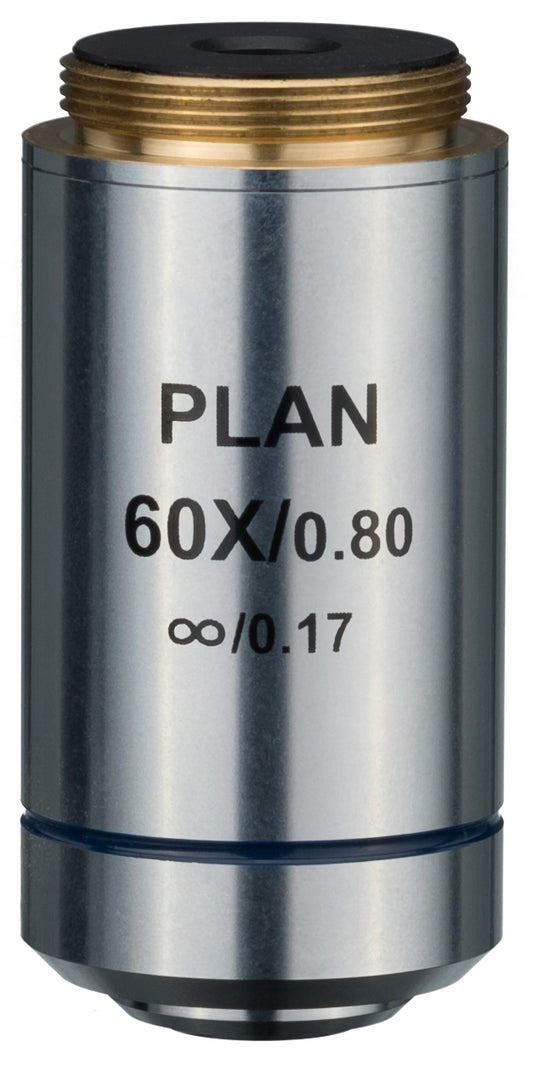
Bresser Plan Infinity DIN Objective
Regular price From £181.66 ex VAT From £217.99 inc VATRegular priceOut of stock
Plan, infinity-corrected, 20x or 60x
Sold out -
Bresser Junior Biolux CA 40-1024x Microscope
Regular price From £117.99Regular priceOut of stock
Sold out -
Bresser Analyth STR 10-40x Stereo Microscope
Regular price From £241.99Regular priceOut of stock
Sold out -
Levenhuk Rainbow D2L Digital Microscope
Regular price £151.95Regular priceOut of stock
Sold out -
Levenhuk Rainbow DM500 LCD Digital Microscope
Regular price £151.95Regular priceOut of stock
Sold out -
Levenhuk DTX RC1 Remote Controlled Digital Microscope
Regular price £151.95Regular priceOut of stock
Sold out -
Levenhuk DTX 500 Mobi Handheld Digital Microscope
Regular price £202.95Regular priceOut of stock
Sold out -

 Sold out
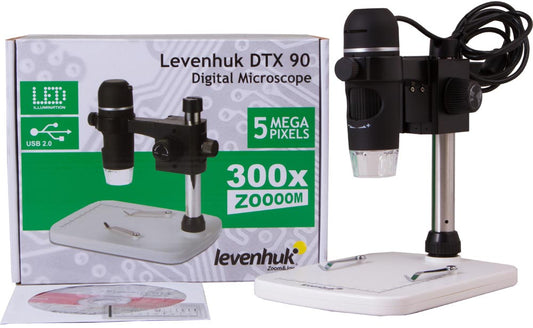
Levenhuk DTX 90 USB Microscope
Regular price £126.95Regular priceOut of stock
Sold out -
Bresser Prepared Slides Set, 100 Slides
Regular price £122.99Regular priceOut of stock
100 prepared slides, mostly stained
Sold out -
Bresser DST-1028 10-280x USB Digital Microscope
Regular price £160.99Regular priceOut of stock
Sold out -
Bresser LCD 50-2000x Digital Microscope
Regular price £231.99Regular priceOut of stock
Sold out -
Bresser Erudit ICD 20-40x Stereo Microscope
Regular price £189.99Regular priceOut of stock
Sold out -
Bresser Erudit Basic 40-400x Microscope
Regular price From £189.99Regular priceOut of stock
Sold out -
Bresser Biolux NV 20-1280x Microscope with HD Camera
Regular price £160.99Regular priceOut of stock
Sold out -

 Sold out
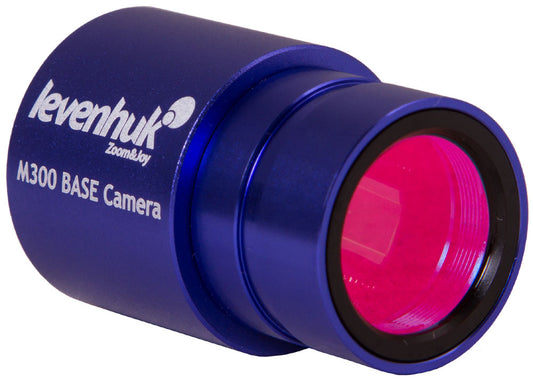
Levenhuk M300 BASE Microscope Camera
Regular price £135.95Regular priceOut of stock
3 MP eyepiece camera, USB to a computer
Sold out -

 Sold out
Levenhuk Rainbow 50L Microscope
Regular price £143.95Regular priceOut of stock
Sold out -

 Sold out
Levenhuk Rainbow 2L PLUS Microscope
Regular price £101.95Regular priceOut of stock
Sold out -

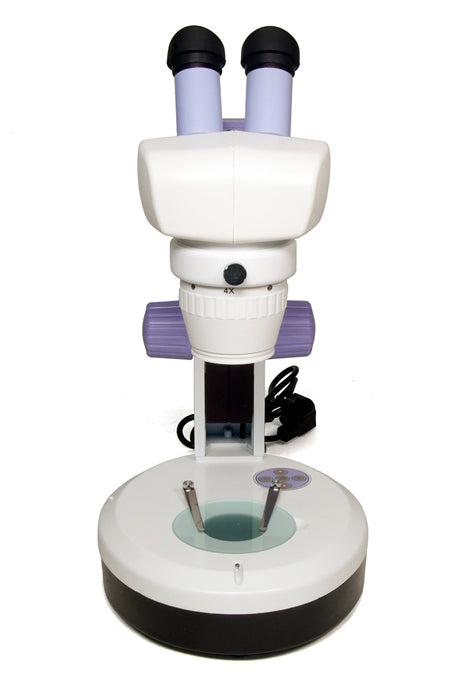 Sold out
Levenhuk 5ST Stereo Microscope
Regular price £227.95Regular priceOut of stock
Sold out -

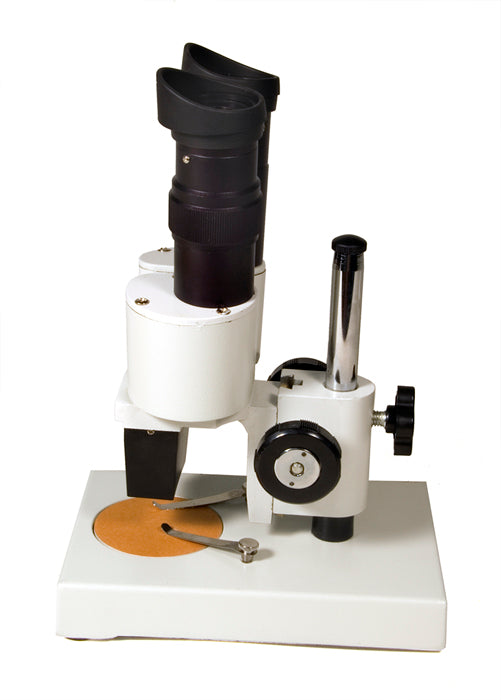 Sold out
Levenhuk 2ST Stereo Microscope
Regular price £122.95Regular priceOut of stock
Sold out -
Levenhuk DTX 500 LCD Digital Microscope
Regular price £227.95Regular priceOut of stock
Sold out -
Levenhuk DTX 350 LCD Digital Microscope
Regular price £151.95Regular priceOut of stock
Sold out -

 Sold out
Levenhuk Rainbow 50L PLUS Microscope
Regular price £168.95Regular priceOut of stock
Sold out



















What changes above £100
Metal bodies and rack-and-pinion focusing that holds its position. Achromatic objectives, which are lenses corrected so colours focus in the same plane and the edge of a cell isn't fringed with purple. Mains power on nearly everything, a mechanical stage on the Erudit DLX, and 5 MP sensors on the DTX 500, DTX 90 and DST-1028 with stands steady enough for 300x.
Which type at this price
For school biology and pond water, a compound microscope. For anything you can hold, a stereo. For sharing with a group, repairing electronics or keeping photos, a digital model with a screen. The types guide settles it in five minutes.
£100 to £250 FAQs
Should I stretch to the next band?
Only for a trinocular port or magnification to 2000x, both of which start in the £250 to £500 band.